
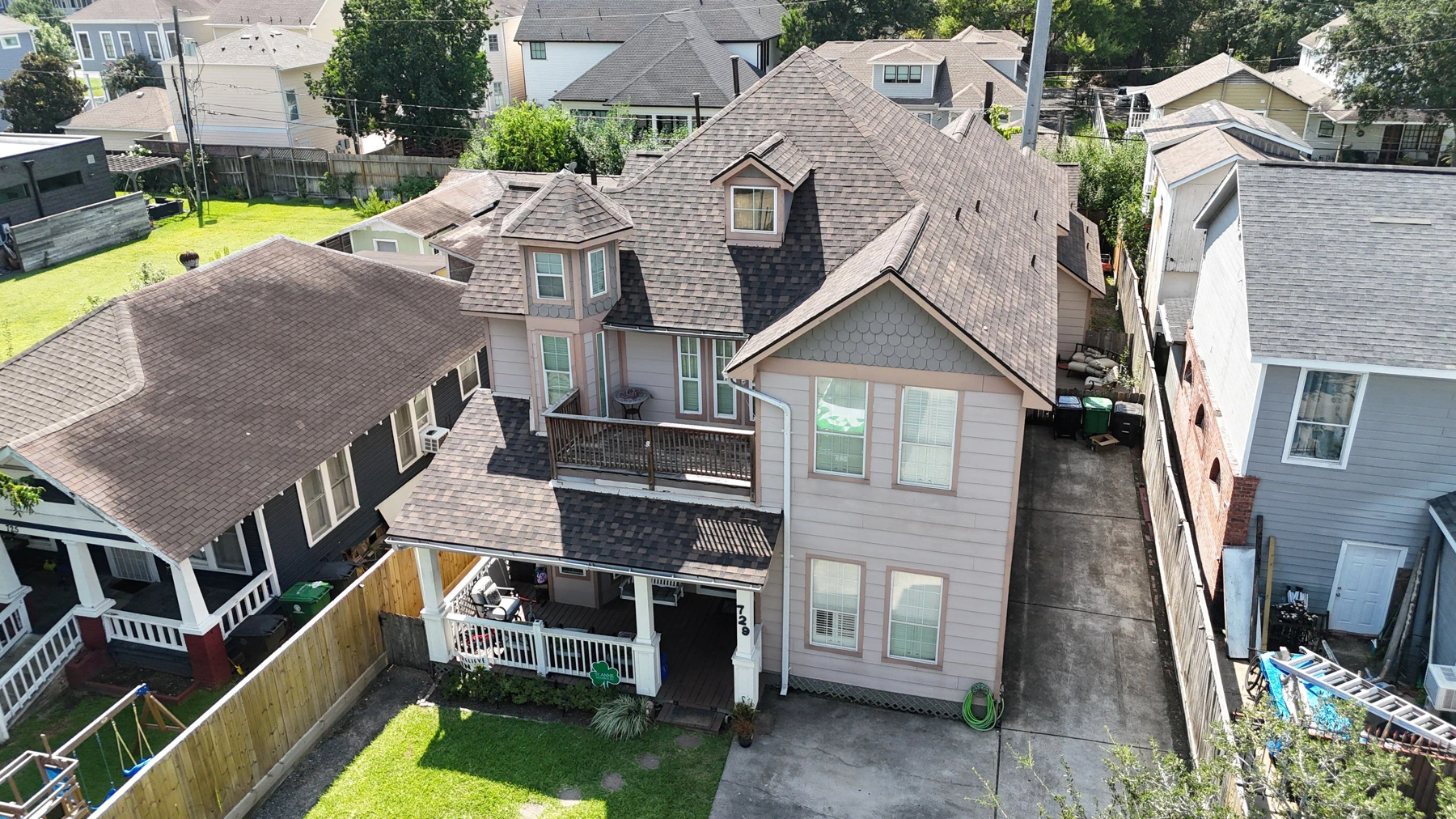
People blame the sun, and the sun is guilty. The attic is the accomplice. When intake is blocked and the only exhaust is a tired box vent, the space under the deck sits hot for months. That heat bakes the asphalt from below. The shingles curl, the deck dries and cracks, and the air conditioner runs like it owes someone money.
Air has to come in before it can leave
Soffit vents are the intake. A ridge vent, or enough exhaust vents high on the roof, is the way out. Paint, insulation, and stored boxes that cover the soffits stop the intake. Then the exhaust pulls air from the living space through can lights and the attic hatch instead of from outside. You pay for that on the electric bill, and the roof still cooks.
Bathroom fans and dryer vents that dump into the attic are a separate problem. They add moisture. In this humidity the deck stays damp on the north slope, the nails rust, and a “mystery leak” is condensation. Those fans need a duct to the outside, with a proper cap, not a flap of insulation over a hole.
What we look at on an inspection
- Soffits open or painted shut.
- Insulation covering the baffles.
- A ridge vent that was cut short or buried under ridge cap with no slot.
- One box vent trying to serve a roof that needed a ridge.
- Bath fans and the kitchen vent, and where they actually terminate.
Insulation is not the same job
Adding insulation on top of blocked soffits makes the attic hotter, not cooler. If we are replacing the roof, we can see the ridge slot and the deck. We cannot fix a buried soffit from above. Plan the attic and the roof together: open the intake, confirm the exhaust, duct the fans outside, then insulate. A new shingle over a boxed-in attic is a new shingle with the same heat problem underneath.
A new roof on a choked attic starts aging the day it is installed. If we are pricing a roof replacement, we will tell you what the attic is doing. Request a free inspection or call (281) 541-0027.